
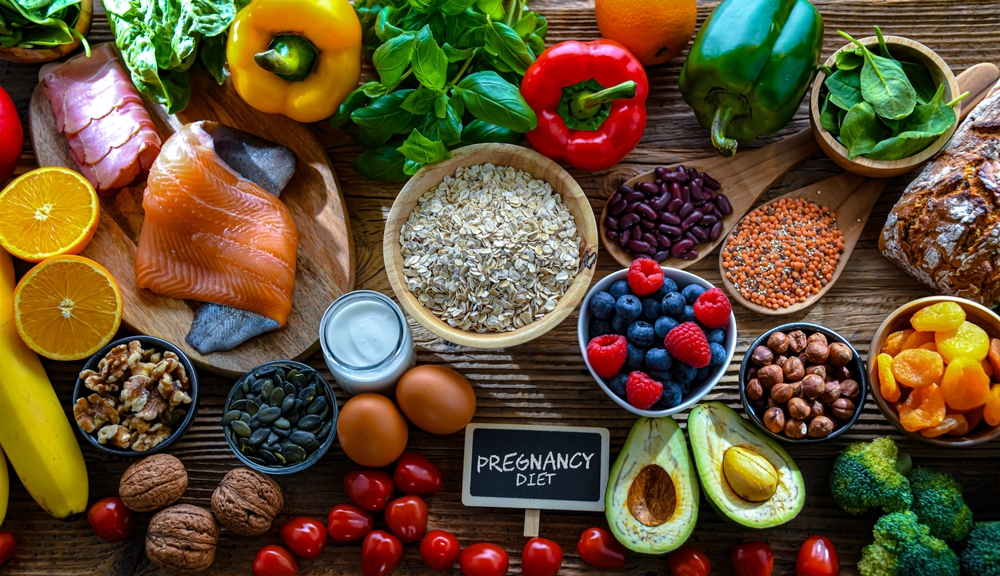
Hormone-Friendly Foods for Fertility: Nourishing Your Body for Conception
I. Introduction
The journey to parenthood can be both exciting and challenging, and for many couples, fertility plays a crucial role. While various factors influence fertility, hormonal balance is paramount. Hormones orchestrate the intricate dance of ovulation, implantation, and pregnancy maintenance. Just as a conductor guides an orchestra, hormones direct the reproductive processes within our bodies. Fortunately, nutrition plays a significant role in supporting hormonal harmony. The foods we consume can either enhance or disrupt this delicate balance, influencing our reproductive health. By incorporating hormone-friendly foods, we can nourish our bodies from the inside out, creating a supportive environment for conception and a healthy pregnancy. These foods provide the building blocks for hormone production, regulation, and metabolism, optimizing fertility naturally.
II. Balancing Estrogen: Foods for a Healthy Cycle
Estrogen, a key hormone in the female reproductive system, is essential for a healthy menstrual cycle and fertility. It promotes the growth of the uterine lining, regulates the menstrual flow, and plays a crucial role in ovulation. However, both too much and too little estrogen can disrupt fertility. Conditions like estrogen dominance, where estrogen levels are excessively high relative to progesterone, can interfere with ovulation and implantation. Conversely, low estrogen levels can lead to irregular cycles and difficulties conceiving. Fortunately, certain foods can help us maintain optimal estrogen levels.
- Flaxseeds and Other Seeds: These tiny nutritional powerhouses are rich in lignans, compounds that bind to excess estrogen and help eliminate it from the body. This can be particularly helpful for women with estrogen dominance. Flaxseeds are also a great source of omega-3 fatty acids, which support overall hormonal balance.
- Cruciferous Vegetables: Broccoli, cauliflower, kale, and other cruciferous vegetables contain a compound called indole-3-carbinol, which helps the body metabolize estrogen more efficiently. This can help prevent estrogen levels from becoming too high or too low.
- Citrus Fruits: Oranges, grapefruits, and lemons are rich in Vitamin C, an antioxidant that supports estrogen metabolism and helps protect egg quality.
By incorporating these foods into your diet, you can support healthy estrogen levels and promote a regular menstrual cycle, increasing your chances of conception.
III. Boosting Progesterone: Foods for a Healthy Pregnancy
Progesterone, often referred to as the “pregnancy hormone,” plays a critical role in preparing the body for pregnancy. After ovulation, progesterone levels rise, thickening the uterine lining to create a hospitable environment for a fertilized egg to implant. It also helps maintain the pregnancy during the early stages. Inadequate progesterone levels can lead to difficulties conceiving or maintaining a pregnancy. Fortunately, certain foods can naturally support progesterone production:
- Leafy Green Vegetables: Spinach, kale, and other leafy greens are rich in Vitamin K, a nutrient essential for progesterone synthesis.
- Whole Grains: Whole grains provide B vitamins, which are important for hormone production, including progesterone.
- Beans and Lentils: These legumes are a good source of zinc, a mineral that plays a role in progesterone production and overall reproductive health.
Consuming these nutrient-rich foods can help ensure adequate progesterone levels, supporting both conception and a healthy pregnancy.
IV. Supporting Ovulation: Foods for Optimal Egg Health
Ovulation, the release of a mature egg from the ovary, is a cornerstone of fertility. The quality of the egg plays a significant role in successful fertilization and a healthy pregnancy. Certain nutrients are particularly important for optimal egg health and ovulation:
- Antioxidant-Rich Fruits and Vegetables: Berries, spinach, and other brightly colored fruits and vegetables are packed with antioxidants that protect eggs from damage caused by free radicals.
- Foods High in Vitamin D: Oily fish, eggs, and fortified foods are good sources of Vitamin D, a nutrient that has been linked to improved egg quality and ovulation. https://www.ncbi.nlm.nih.gov/pmc/articles/PMC6266464/
- Foods Rich in Zinc: Oysters, nuts, and seeds are excellent sources of zinc, a mineral crucial for egg development and maturation.
By prioritizing these foods, you can nourish your eggs, support healthy ovulation, and enhance your chances of conception.
V. Managing Insulin: Foods for PCOS and Blood Sugar Balance
Polycystic Ovarian Syndrome (PCOS) is a common hormonal disorder that can significantly impact fertility. Insulin resistance, a hallmark of PCOS, disrupts hormone balance and can interfere with ovulation. Managing insulin levels through dietary choices is crucial for women with PCOS and can benefit fertility in general.
- Fiber-Rich Foods: Whole grains, vegetables, and fruits are excellent sources of fiber, which helps regulate blood sugar levels and improve insulin sensitivity.
- Lean Protein Sources: Chicken, fish, and beans provide protein without the added saturated fats that can exacerbate insulin resistance.
- Healthy Fats: Avocados, olive oil, and nuts provide healthy fats that support insulin sensitivity and overall hormonal balance.
By focusing on these foods, you can manage insulin levels, mitigate the effects of PCOS, and improve your chances of conception. https://www.nichd.nih.gov/health/topics/pcos/publications/eating-right-pcos
VI. Reducing Inflammation: Foods to Combat Fertility Roadblocks
Chronic inflammation can interfere with various bodily processes, including reproductive function. It can disrupt hormone balance, impair egg quality, and create an unfavorable environment for implantation. Fortunately, certain foods possess potent anti-inflammatory properties:
- Fatty Fish: Salmon, tuna, and other fatty fish are rich in omega-3 fatty acids, which are powerful anti-inflammatory agents.
- Nuts and Seeds: Almonds, walnuts, and chia seeds provide healthy fats and antioxidants that help combat inflammation.
- Berries and Other Colorful Fruits: Berries, pomegranates, and other vibrant fruits are packed with antioxidants that neutralize inflammation-causing free radicals.
By incorporating these anti-inflammatory foods, you can create a more conducive environment for conception and a healthy pregnancy.
VII. Hydration and Fertility: The Importance of Fluids
Water is essential for all bodily functions, including reproductive health. Adequate hydration is crucial for cervical mucus production, which plays a vital role in sperm transport and fertilization. Dehydration can thicken cervical mucus, making it difficult for sperm to reach the egg. Aim to drink at least eight glasses of water per day to support optimal cervical mucus production and overall reproductive health.
VIII. Creating a Hormone-Friendly Fertility Plate: Sample Meal Ideas
Putting these principles into practice can be easier than you think! Here are a few sample meal ideas to inspire you:
- Breakfast: Oatmeal with berries, flaxseeds, and walnuts.
- Lunch: Salad with grilled salmon, mixed greens, avocado, and a lemon vinaigrette.
- Dinner: Chicken stir-fry with brown rice, broccoli, and other colorful vegetables.
- Snacks: Apple slices with almond butter, a handful of mixed nuts, or a smoothie with spinach, berries, and flaxseeds.
These are just a few examples; the possibilities are endless! Get creative and experiment with different combinations of hormone-friendly foods to create meals that are both delicious and nourishing.
IX. Conclusion
Nourishing your body with hormone-friendly foods is a powerful step you can take on your fertility journey. By incorporating these foods into your diet, you can support hormonal balance, optimize reproductive function, and create a supportive environment for conception. Remember that a holistic approach to fertility is key, encompassing not only nutrition but also stress management, regular exercise, and other lifestyle factors. While dietary changes can make a significant difference, it’s always advisable to consult with a healthcare professional or registered dietitian for personalized guidance based on your individual needs and circumstances.