
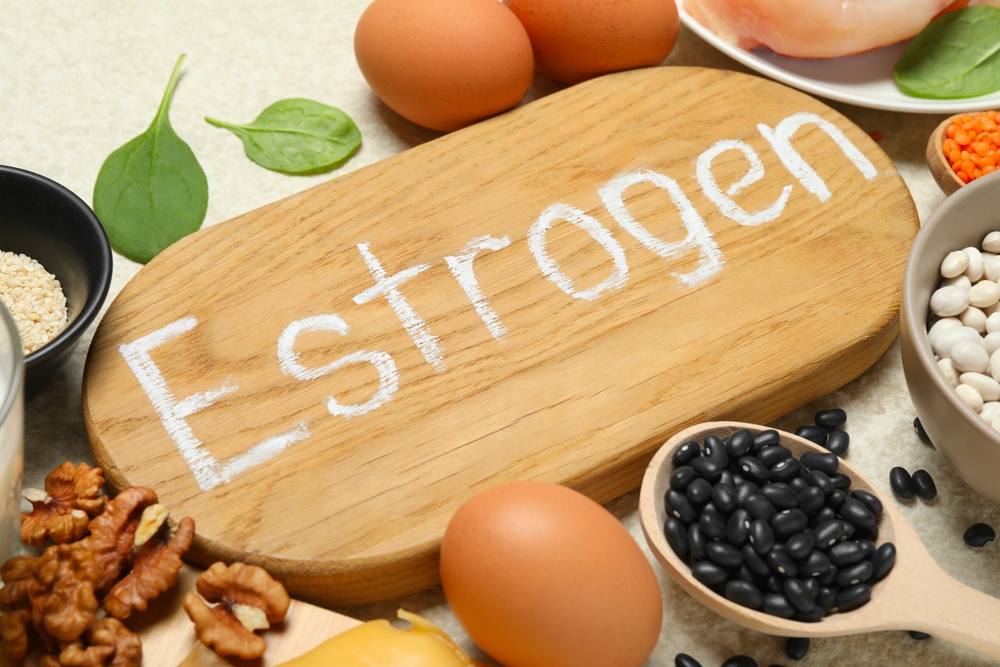
Naturally Boosting Estrogen Levels Through Diet: A Comprehensive Guide
Estrogen, a primary female sex hormone, plays a vital role in various bodily functions, from regulating the menstrual cycle and promoting bone health to influencing mood and cognitive function. While crucial for reproductive health, maintaining optimal estrogen levels is essential for overall well-being throughout a woman’s life. When estrogen levels dip too low, a range of issues can arise, including irregular periods, hot flashes, mood swings, difficulty sleeping, vaginal dryness, and even an increased risk of osteoporosis. While hormone replacement therapy (HRT) is an option for some women, many prefer to explore natural ways to support their estrogen levels. Diet, a cornerstone of health, can significantly impact hormone balance. This comprehensive guide will delve into the world of estrogen-boosting foods, providing insights into how specific nutrients and dietary choices can help you naturally maintain healthy estrogen levels.
Harnessing the Power of Phytoestrogens
Phytoestrogens, naturally occurring plant compounds, are structurally similar to estrogen and can interact with estrogen receptors in the body. While their effects are generally weaker than those of the body’s own estrogen, phytoestrogens can exert both estrogenic and anti-estrogenic effects depending on the individual’s current estrogen levels and the specific type of phytoestrogen consumed. This makes them a valuable tool in managing estrogen balance naturally. Here’s a closer look at some key sources of phytoestrogens:
- Soy Products: Tofu, tempeh, edamame, and soy milk are rich in isoflavones, a type of phytoestrogen. Several studies have suggested that soy consumption can help alleviate menopausal symptoms such as hot flashes. For instance, a meta-analysis published in the journal Menopause reviewed 19 studies and found that soy isoflavone supplements significantly reduced hot flash frequency in menopausal women.
- Flaxseeds: These tiny seeds are packed with lignans, another type of phytoestrogen. Ground flaxseeds are more easily digested than whole flaxseeds, allowing for better absorption of their nutrients. Adding a tablespoon or two of ground flaxseeds to your smoothie, yogurt, or cereal is an easy way to boost your intake.
- Sesame Seeds: Similar to flaxseeds, sesame seeds also contain lignans and can be incorporated into your diet in various ways, from sprinkling them on salads to enjoying them in tahini form.
- Dried Fruits: Apricots, dates, and prunes are good sources of phytoestrogens and also provide fiber and other essential nutrients.
- Legumes: Chickpeas, lentils, beans, and other legumes are not only excellent sources of protein and fiber but also contribute to phytoestrogen intake.
Nutritional Support for Estrogen Production
Beyond phytoestrogens, specific nutrients play a crucial role in supporting the body’s natural estrogen production. Ensuring adequate intake of these nutrients is vital for maintaining hormonal balance.
- B Vitamins: B vitamins, especially B6 and B12, are involved in estrogen metabolism. Foods rich in B vitamins include whole grains, eggs, leafy greens, and legumes.
- Boron: This trace mineral may play a role in estrogen metabolism and bone health. Avocados, nuts, and legumes are good sources of boron.
- Vitamin D: Emerging research suggests a link between vitamin D levels and estrogen production. Fatty fish, egg yolks, and fortified foods are good sources of vitamin D. Safe sun exposure is also crucial for vitamin D synthesis.
- Healthy Fats: Adequate intake of healthy fats is essential for hormone production. Include sources like avocados, nuts, seeds, and olive oil in your diet.
Foods to Limit for Estrogen Dominance
While boosting estrogen can be beneficial for some, others may experience estrogen dominance, a condition where estrogen levels are excessively high relative to progesterone. This imbalance can lead to a range of symptoms, including weight gain, mood swings, and irregular periods. If estrogen dominance is a concern, limiting certain foods may be helpful:
- Refined Sugar: High sugar intake can disrupt hormone balance.
- Processed Foods: These foods often contain additives that can interfere with hormonal function.
- Red Meat (Conventionally Raised): Conventionally raised red meat may contain hormones that can contribute to estrogen dominance.
- Excessive Alcohol: Alcohol can interfere with the liver’s ability to metabolize estrogen.
Beyond Diet: Lifestyle Factors for Hormonal Harmony
Diet plays a significant role in estrogen levels, but it’s not the only factor. Other lifestyle choices can also impact hormonal balance:
- Exercise: Regular physical activity can help regulate hormones and improve overall health.
- Stress Management: Chronic stress can disrupt hormonal balance. Practicing stress-reducing techniques like yoga, meditation, or deep breathing can be beneficial.
- Sleep Quality: Adequate sleep is crucial for hormone regulation. Aim for 7-8 hours of quality sleep per night.
- Liver Health: The liver plays a vital role in estrogen metabolism. Supporting liver health through a balanced diet and lifestyle choices is essential.
Seeking Professional Guidance
If you suspect an estrogen imbalance, it’s essential to consult with a healthcare professional. Self-treating hormonal imbalances can be risky, and a doctor can help determine the underlying cause of your symptoms and recommend appropriate treatment.
Conclusion: Nourishing Your Hormonal Health
Including estrogen-boosting foods in your diet can be a valuable strategy for supporting healthy estrogen levels. However, remember that a balanced approach is key. Focus on incorporating a variety of nutrient-rich foods, manage stress, prioritize sleep, and seek professional guidance when needed. By making informed choices about your diet and lifestyle, you can empower yourself to take control of your hormonal health and overall well-being. Start incorporating some of these foods into your meals today and experience the positive impact they can have on your health.
Links to Relevant External Websites:
- National Institutes of Health (NIH) – Estrogen: https://www.nih.gov/news-events/nih-research-matters/estrogen-linked-covid-19-outcomes-older-women
- Mayo Clinic – Estrogen: https://www.mayoclinic.org/drugs-supplements/estrogen-oral-route-parenteral-route-transdermal-route-vaginal-route/description/drg-20069465
- The North American Menopause Society (NAMS): https://www.menopause.org/