
Introduction:
Hormones are chemical messengers that regulate various bodily functions, from metabolism and growth to reproduction and mood. These powerful substances, produced by glands in the endocrine system, travel through the bloodstream, influencing nearly every cell and organ. Maintaining a delicate balance of hormones is essential for optimal health and well-being. When this balance is disrupted, a cascade of negative consequences can ensue, impacting everything from energy levels and sleep to fertility and mental health.
This article delves into the critical role of diet in achieving hormonal harmony, providing a guide to naturally balancing hormones through mindful food choices and lifestyle adjustments. The foods we consume play a pivotal role in supporting or hindering hormonal equilibrium. By understanding the intricate relationship between diet and hormones, we can harness the power of nutrition to regain control of our health and vitality. Remember, however, that dietary changes are most effective when combined with a holistic approach that addresses other lifestyle factors like stress management, sleep, and exercise.
Understanding Hormonal Imbalances
Hormonal imbalances occur when there’s an excess or deficiency of specific hormones in the bloodstream. These imbalances can arise from various factors, including genetics, stress, environmental toxins, medications, and, significantly, dietary choices. Recognizing the symptoms and understanding the different types of hormonal imbalances is crucial for taking appropriate action. Estrogen dominance, for instance, is a common hormonal imbalance in women, characterized by an excess of estrogen relative to progesterone. Symptoms can include weight gain, mood swings, irregular periods, and breast tenderness. On the other hand, thyroid issues, such as hypothyroidism (underactive thyroid) and hyperthyroidism (overactive thyroid), involve imbalances in thyroid hormones, affecting metabolism, energy levels, body temperature, and heart rate.
Low testosterone, more prevalent in men, can lead to decreased libido, fatigue, muscle loss, and mood changes. It’s essential to consult a healthcare professional for a proper diagnosis and personalized advice. Blood tests and other diagnostic tools can pinpoint the specific hormonal imbalance and guide appropriate treatment strategies. Self-treating hormonal imbalances based on online information can be risky and may exacerbate the problem. A healthcare provider can consider your individual circumstances and medical history to develop a tailored plan that addresses the root cause of the imbalance.
The Power of Nutrition for Hormonal Balance
Nutrition plays a foundational role in hormonal balance. Specific nutrients act as building blocks for hormone production, influence hormone receptor activity, and impact how hormones are metabolized and eliminated from the body. A balanced diet, rich in whole foods, provides the essential nutrients needed for optimal hormonal function. For example, healthy fats are crucial for producing steroid hormones like estrogen, progesterone, and testosterone. Essential fatty acids, such as omega-3s found in fatty fish, flaxseeds, and walnuts, also help reduce inflammation, which can disrupt hormonal balance. Protein provides amino acids necessary for building and repairing tissues and producing hormones like insulin and growth hormone. Furthermore, fiber-rich foods support gut health, which is intrinsically linked to hormonal balance. The gut microbiome plays a vital role in metabolizing hormones and producing neurotransmitters that influence mood and well-being. By nourishing the gut with prebiotic and probiotic-rich foods, we can foster a healthy microbiome that supports hormonal harmony.
Foods to Embrace for Hormonal Harmony
Certain foods stand out for their hormone-balancing properties. Incorporating these into your diet can significantly contribute to restoring hormonal equilibrium.
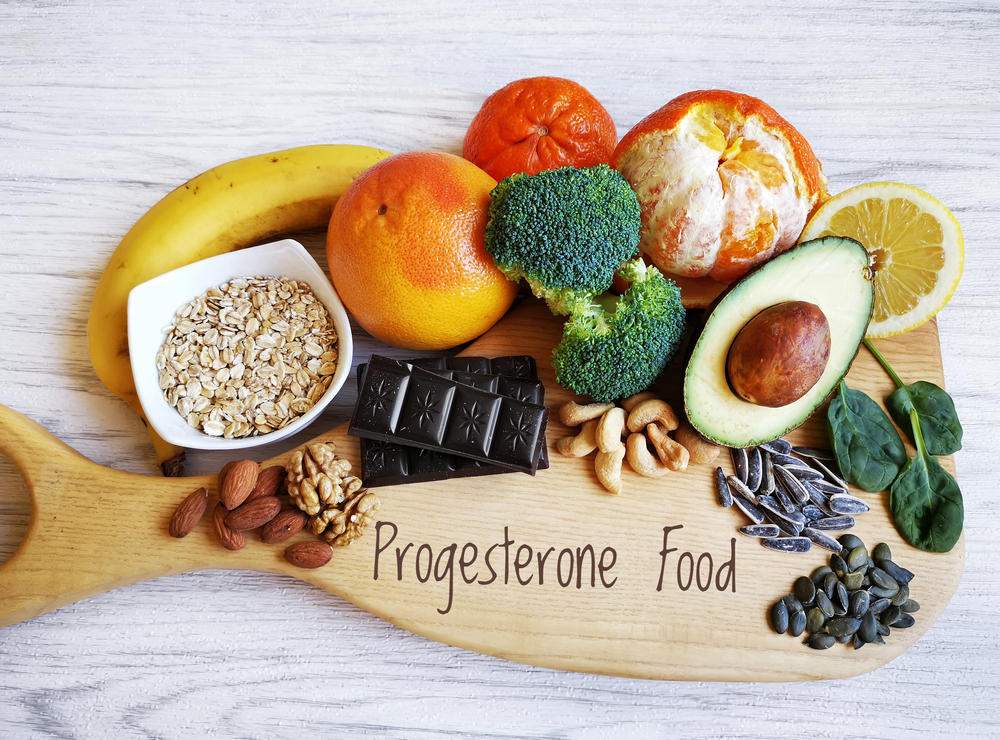
- Cruciferous Vegetables: These vegetables, including broccoli, cauliflower, Brussels sprouts, kale, and cabbage, contain compounds called glucosinolates, which support liver detoxification and estrogen metabolism. This helps prevent estrogen dominance by promoting the breakdown and elimination of excess estrogen.
- Healthy Fats: As mentioned earlier, healthy fats are essential for hormone production. Avocados, nuts, seeds, olive oil, coconut oil, and fatty fish like salmon and mackerel provide essential fatty acids and other beneficial lipids that support hormonal health.
- Fiber-Rich Foods: Fiber plays a vital role in regulating blood sugar levels and promoting gut health. Whole grains, legumes, fruits, and vegetables are excellent sources of fiber. Stable blood sugar levels are crucial for preventing insulin resistance and promoting balanced hormone production.
- Lean Protein: Lean protein sources like chicken, fish, turkey, beans, lentils, and tofu provide amino acids needed for hormone synthesis and tissue repair. Adequate protein intake also helps stabilize blood sugar levels and promotes satiety, which can be helpful for managing weight, a factor that can influence hormonal balance.
Foods to Avoid for Hormonal Health
While some foods support hormonal balance, others can disrupt it. Minimizing or eliminating these foods can be just as important as including hormone-boosting foods.
- Processed Foods and Sugar: Processed foods often contain refined carbohydrates, added sugars, unhealthy fats, and artificial ingredients that can contribute to insulin resistance, inflammation, and hormonal imbalances. Excess sugar consumption can lead to blood sugar spikes and crashes, disrupting insulin signaling and impacting other hormones.
- Excessive Caffeine and Alcohol: Both caffeine and alcohol can interfere with hormone production and metabolism. Excessive caffeine can stimulate the adrenal glands, leading to an overproduction of stress hormones like cortisol. Alcohol can disrupt liver function, impacting the metabolism of hormones like estrogen.
- Soy Products (in moderation): Soy contains phytoestrogens, plant compounds that can mimic the effects of estrogen in the body. While some research suggests moderate soy consumption may have health benefits, excessive intake could potentially disrupt estrogen balance, particularly in individuals sensitive to hormonal fluctuations. It’s generally recommended to consume soy in moderation and choose fermented soy products like tempeh and miso, which are easier to digest.
Lifestyle Factors that Complement Diet
Achieving hormonal harmony involves a holistic approach that goes beyond diet. Lifestyle factors like stress management, sleep, and exercise play crucial roles in supporting hormonal balance.
- Stress Management: Chronic stress can wreak havoc on hormone levels. The stress hormone cortisol, released during times of stress, can interfere with the production and function of other hormones. Practicing stress-reducing techniques like yoga, meditation, deep breathing exercises, and spending time in nature can help regulate cortisol levels and promote hormonal balance. Helpful resource: American Institute of Stress
- Quality Sleep: Sleep is essential for hormone regulation. During sleep, the body repairs tissues, produces hormones like growth hormone and melatonin, and regulates cortisol levels. Aim for 7-9 hours of quality sleep per night to support hormonal balance. Helpful resource: National Sleep Foundation
- Regular Exercise: Regular physical activity has numerous benefits for hormonal health. Exercise can improve insulin sensitivity, regulate cortisol levels, boost endorphins (mood-boosting hormones), and promote healthy sleep patterns. Aim for at least 30 minutes of moderate-intensity exercise most days of the week. Helpful resource: American Heart Association
Creating a Personalized Hormonal Balancing Meal Plan
While general dietary guidelines can be helpful, creating a personalized meal plan tailored to your specific needs and hormonal imbalances is ideal. Consulting a registered dietitian or nutritionist can provide valuable guidance in this process. A registered dietitian can assess your current dietary habits, identify nutrient deficiencies, and develop a meal plan that addresses your individual hormonal needs. They can also help you navigate food sensitivities or allergies and provide support and accountability as you make dietary changes.
Conclusion:
Achieving hormonal harmony is a journey that requires consistent effort and a holistic approach. By focusing on a nutrient-rich diet, minimizing hormone-disrupting foods, and incorporating lifestyle changes that support hormonal balance, you can regain control of your health and vitality. Remember, it’s essential to consult with a healthcare professional for personalized advice and guidance, particularly if you suspect a hormonal imbalance. With consistent effort and a commitment to nourishing your body from the inside out, you can create a foundation for lasting hormonal harmony and overall well-being.