
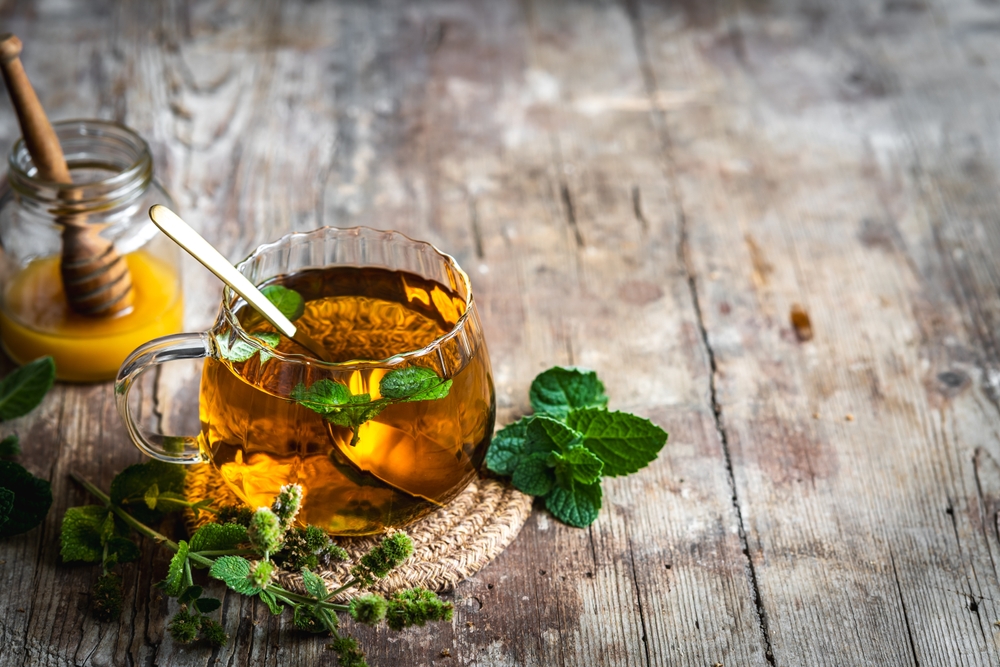
Brewing Balance: The Best Teas for Hormone Health
Introduction:
Hormones act as messengers within our bodies, orchestrating a symphony of functions ranging from metabolism and reproduction to mood and sleep. Maintaining hormonal balance is paramount to overall health and well-being, as imbalances can manifest in a myriad of disruptive symptoms. While conventional medicine offers various treatments for hormonal issues, many individuals seek natural and supportive approaches to complement their healthcare regimen. One such approach lies in the world of herbal teas. Certain teas possess properties that may gently nudge the body towards hormonal equilibrium. This blog post delves into the realm of teas for hormone balance, exploring the best varieties for supporting hormonal health and providing insights into their potential benefits. By incorporating these beneficial beverages into a holistic approach that encompasses diet, exercise, and stress management, you can take proactive steps toward achieving hormonal harmony.
Understanding Hormonal Imbalance
Hormonal imbalances occur when there’s too much or too little of a specific hormone in the bloodstream. Hormones are intricately interconnected, so an imbalance in one can trigger a cascade of effects throughout the body. Symptoms can vary widely depending on which hormones are affected and the severity of the imbalance. Common signs include irregular menstrual cycles, weight fluctuations, mood swings, acne, decreased libido, fatigue, sleep disturbances, hair loss, and difficulty concentrating. Women, in particular, are susceptible to various hormonal imbalances due to the cyclical nature of their reproductive hormones.
Some specific examples of hormonal imbalances affecting women include:
- Polycystic Ovary Syndrome (PCOS): This condition is characterized by high levels of androgens (male hormones), irregular periods, and ovarian cysts.
- Menopause: This natural transition marks the end of a woman’s reproductive years and involves a significant decline in estrogen and progesterone levels, leading to symptoms like hot flashes, night sweats, and mood changes.
- Premenstrual Syndrome (PMS): This collection of symptoms, including mood swings, bloating, and breast tenderness, occurs in the week or two before menstruation and is thought to be related to fluctuations in estrogen and progesterone.
- Thyroid Disorders: The thyroid gland, which regulates metabolism, can produce either too much (hyperthyroidism) or too little (hypothyroidism) thyroid hormone, leading to symptoms like weight changes, fatigue, and mood changes.
It’s important to note that while tea can be a valuable addition to a hormone-balancing strategy, it’s not a cure-all. A holistic approach that addresses underlying causes and incorporates lifestyle modifications is essential for effectively managing hormonal imbalances. Consulting with a healthcare professional is crucial for accurate diagnosis and personalized guidance.
Best Teas for Hormone Balance
Chasteberry Tea (Vitex)
Chasteberry, also known as Vitex agnus-castus, has a long history of use in traditional medicine for supporting women’s reproductive health. It’s believed to work primarily by influencing the pituitary gland, a master gland that regulates hormone production. Chasteberry may help balance the ratio of progesterone to estrogen, potentially alleviating symptoms associated with:
- Premenstrual Syndrome (PMS): Studies suggest that chasteberry may reduce symptoms like irritability, mood swings, breast tenderness, headaches, and bloating. A review of studies published in the British Medical Journal concluded that chasteberry was more effective than placebo in treating PMS symptoms. https://pubmed.ncbi.nlm.nih.gov/12075242/
- Menstrual Irregularities: Chasteberry may help regulate menstrual cycles, making them more predictable.
- Fertility Challenges: Some studies suggest that chasteberry may improve fertility by promoting ovulation.
- Menopausal Symptoms: While research is limited, chasteberry may offer some relief from menopausal symptoms, especially when combined with other herbs.
Precautions: Chasteberry may interact with certain medications, including birth control pills, dopamine agonists, and antipsychotic drugs. It’s essential to consult with a healthcare professional before using chasteberry, especially if you have any underlying health conditions or are taking other medications.
Spearmint Tea
Spearmint (Mentha spicata) is a refreshing herb that’s gaining attention for its potential hormone-balancing properties. Research suggests that spearmint may have anti-androgenic effects, meaning it can help reduce the levels of male hormones (androgens) in the body. This can be particularly beneficial for women with PCOS, a condition often characterized by elevated androgen levels.
- PCOS Management: A study published in Phytotherapy Research found that drinking spearmint tea twice daily for 30 days significantly reduced free testosterone levels in women with PCOS. https://pubmed.ncbi.nlm.nih.gov/18297844/ This reduction in androgens may help improve symptoms like hirsutism (excess hair growth) and acne.
- Acne: The anti-androgenic effects of spearmint may also be helpful in managing acne, as androgens contribute to sebum production, which can clog pores and lead to breakouts.
Ashwagandha Tea
Ashwagandha (Withania somnifera), an adaptogenic herb used in Ayurvedic medicine, is revered for its ability to support the body’s response to stress. While ashwagandha doesn’t directly regulate hormones, it helps manage the stress hormone cortisol. Chronic stress can disrupt hormonal balance, so managing stress through adaptogens like ashwagandha can indirectly support hormone health.
- Stress Management and Cortisol Regulation: Ashwagandha has been shown to reduce cortisol levels in individuals experiencing chronic stress. A study published in the Indian Journal of Psychological Medicine found that ashwagandha significantly reduced stress and anxiety scores and lowered cortisol levels in participants. https://www.ncbi.nlm.nih.gov/23439798/ Balancing cortisol levels can positively influence other hormones and improve overall well-being.
- Adrenal Support: The adrenal glands play a vital role in hormone production, and chronic stress can tax these glands. Ashwagandha’s adaptogenic properties may support adrenal function and help the body cope with stress more effectively.
Red Clover Tea
Red clover (Trifolium pratense) contains isoflavones, plant compounds that have estrogenic activity. This means they can mimic the effects of estrogen in the body. For this reason, red clover tea is sometimes used to alleviate menopausal symptoms related to declining estrogen levels.
- Menopausal Symptom Relief: Some studies suggest that red clover isoflavones may reduce the frequency and severity of hot flashes and other menopausal symptoms. However, the research is mixed, and more studies are needed to confirm its effectiveness. https://www.mountsinai.org/health-library/herb/red-clover
- Bone Health: Estrogen plays a crucial role in maintaining bone density, and the decline in estrogen during menopause increases the risk of osteoporosis. Red clover’s estrogenic activity may offer some benefits for bone health, but more research is needed in this area.
Caution: Due to its estrogenic effects, red clover should be avoided by individuals with estrogen-sensitive conditions like breast cancer or endometriosis.
Licorice Root Tea
Licorice root (Glycyrrhiza glabra) has a long history of use in traditional medicine for various ailments, including hormonal imbalances. Licorice contains compounds that can influence hormone production and metabolism.
- Adrenal Support and Cortisol Regulation: Licorice may support adrenal function and help regulate cortisol levels. It’s thought to inhibit an enzyme that breaks down cortisol, potentially prolonging its effects.
- Fatigue and Stress Management: By supporting adrenal function and managing cortisol, licorice may help reduce fatigue and improve the body’s ability to cope with stress.
Caution: Excessive consumption of licorice root can lead to side effects like elevated blood pressure and potassium depletion. It’s crucial to use licorice root tea in moderation and consult with a healthcare professional before using it, especially if you have high blood pressure, heart conditions, or kidney problems.
How to Incorporate Tea into Your Routine for Hormone Balance
Integrating these beneficial teas into your daily routine can be a simple yet effective way to support hormone health. Here are some tips:
- Choose Quality Tea: Opt for organic teas from reputable brands to ensure you’re getting a pure and potent product.
- Brewing Methods: Follow the specific brewing instructions for each type of tea. Generally, steeping for 5-10 minutes in hot water (not boiling) is recommended.
- Listen to Your Body: Pay attention to how your body responds to each tea and adjust your intake accordingly. Start with one cup per day and gradually increase if desired.
- Consistency is Key: Just like any other lifestyle change, consistency is crucial for experiencing the potential benefits of these teas. Make tea drinking a regular part of your daily routine.
| Tea Type | Brewing Time | Serving Suggestions | Potential Benefits |
|---|---|---|---|
| Chasteberry | 5-7 minutes | Drink 1 cup daily, preferably in the evening. | May regulate menstrual cycles, reduce PMS symptoms, and support fertility. |
| Spearmint | 5-7 minutes | Drink 1-2 cups daily. | May reduce androgens, improve hirsutism in PCOS, and help manage acne. |
| Ashwagandha | 5-7 minutes | Drink 1-2 cups daily, preferably in the morning or afternoon. | May reduce stress, support adrenal function, and indirectly promote hormone balance. |
| Red Clover | 5-10 minutes | Drink 1-2 cups daily. | May alleviate menopausal symptoms like hot flashes and potentially support bone health. |
| Licorice Root | 3-5 minutes | Drink in moderation, no more than 1 cup daily. | May support adrenal function, regulate cortisol, and help manage fatigue and stress. However, use with caution due to potential side effects. |
Beyond Tea: Other Lifestyle Tips for Hormone Balance
While tea can be a valuable tool for supporting hormone balance, it’s essential to incorporate other lifestyle practices for a holistic approach:
- Balanced Diet: A nutritious diet rich in whole foods, fruits, vegetables, lean protein, and healthy fats is crucial for hormone health.
- Regular Exercise: Physical activity helps regulate hormones, reduce stress, and improve insulin sensitivity.
- Stress Management: Chronic stress can disrupt hormonal balance. Practice stress-reducing techniques like yoga, meditation, or deep breathing.
- Quality Sleep: Adequate sleep is essential for hormone regulation. Aim for 7-9 hours of restful sleep per night.
Conclusion:
Herbal teas can be a gentle and supportive addition to a holistic approach to hormone balance. By understanding the potential benefits of different teas and incorporating them into a healthy lifestyle, you can take proactive steps towards achieving hormonal harmony. Remember that consistency is key, and consulting with a healthcare professional is always recommended for personalized guidance and to address any underlying health concerns.
Remember always consult with a healthcare professional before using herbal teas, especially if you are pregnant, breastfeeding, or have existing health conditions. They can provide personalized advice based on your individual needs and health status.